B16-008
October 4, 2016
04983 Version 3
High Pressure Fuel Pump Chirps
(Supersedes 16-008, dated April 30, 2016, to revise the information highlighted in yellow)
AFFECTED VEHICLES
| Year | Model | Trim | VIN range |
| 2014–17 | MDX | ALL | ALL |
| 2015–17 | TLX | ALL with V6 | ALL |
| 2014–17 | RLX | ALL | ALL |
| 2014 and 2016 | RLX Hybrid | ALL | ALL |
REVISION SUMMARY
Under AFFECTED VEHICLES, the model year 2017 was added to the MDX, TLX, and RLX.
SYMPTOM
The high pressure fuel pump area chirps after the engine is warm.
POSSIBLE CAUSES
The high pressure fuel pump is making a chirp.
NOTE: This noise does not impact pump, engine function, or reliability.
CORRECTIVE ACTION
Replace the high pressure fuel pump.
PARTS INFORMATION
| Part Name | Part Number | Quantity |
| Fuel Joint Pipe Set | 16012-R9P-305 | 1 |
| High Pressure Fuel Pump | 16790-5J6-305 | 1 |
| Retainer | 17711-S0X-931
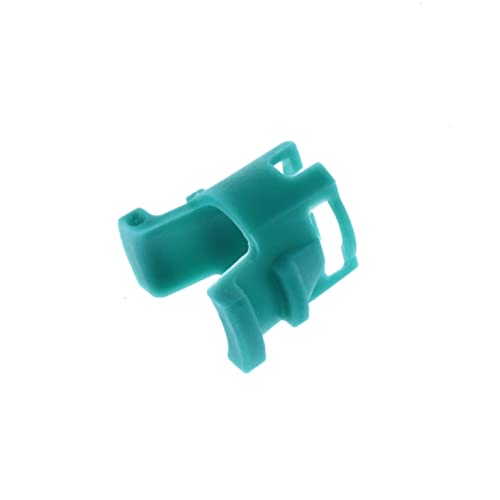
Honda Genuine Retainer
| 1 |
| Intake Manifold Gasket (top) | 17112-5G0-A01 | 1 |
| Intake Manifold Gasket | 17105-R9P-A01
No products found. | 1 |
| Intake Manifold Base Gasket (RR) | 17065-R9P-A01
No products found. | 1 |
| Intake Manifold Base Gasket (FR) | 17055-R9P-A01
No products found. | 1 |

WARRANTY CLAIM INFORMATION
The normal warranty applies.
| Operation Number | Description | Flat Rate Time | Defect Code | Symptom Code | Template ID | Failed Part Number |
| 1211U6 | Replace the high pressure fuel pump (MDX). | 1.8 hrs | 03214 | 04201 | 16-008N | 16790-5J6-305 |
| 1211FG | Replace the high pressure fuel pump (TLX). | 1.9 hrs | 03214 | 04201 | 16-008P | 16790-5J6-305 |
| 1211U6 | Replace the high pressure fuel pump (RLX). | 1.7 hrs | 03214 | 04201 | 16-008Q | 16790-5J6-305 |
| 1211U6 | Replace the high pressure fuel pump (RLX Hybrid). | 1.7 hrs | 03214 | 04201 | 16-008R | 16790-5J6-305 |
Skill Level: Repair Technician
DIAGNOSIS
- If the noise is coming from the high pressure fuel pump, go to REPAIR PROCEDURE.
- If the noise is coming from the timing belt area, refer to service bulletin 14-025, Timing Belt Chirps.
- If the noise is not coming from the high pressure fuel pump or timing belt, continue with normal troubleshooting.
REPAIR PROCEDURE
- Relieve the fuel pressure.
- Set the No. 1 piston at top dead center (TDC).
- Remove the intake manifold and intake manifold base. See service information.
Note: Removal of the throttle body from the intake manifold is not required. Seal the two water hoses and leave it attached to the intake manifold
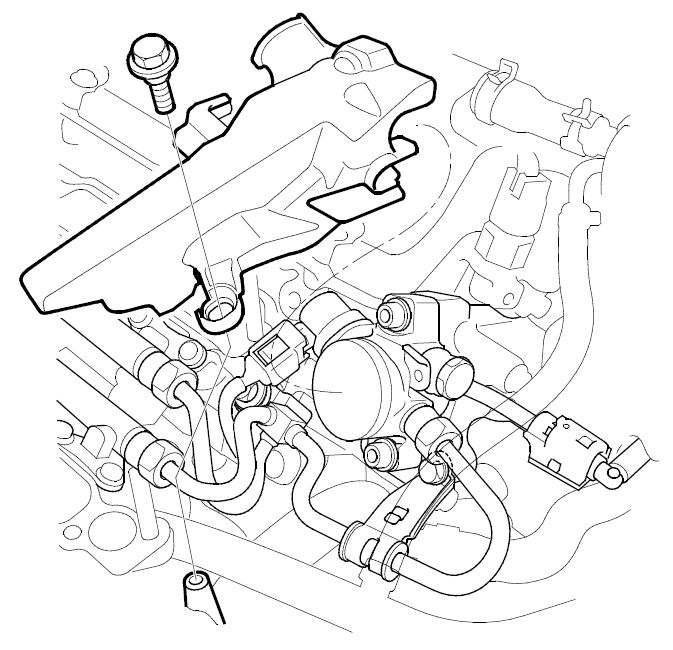
- Remove the high pressure fuel pump cover.
- Remove the quick-connect fitting cover.
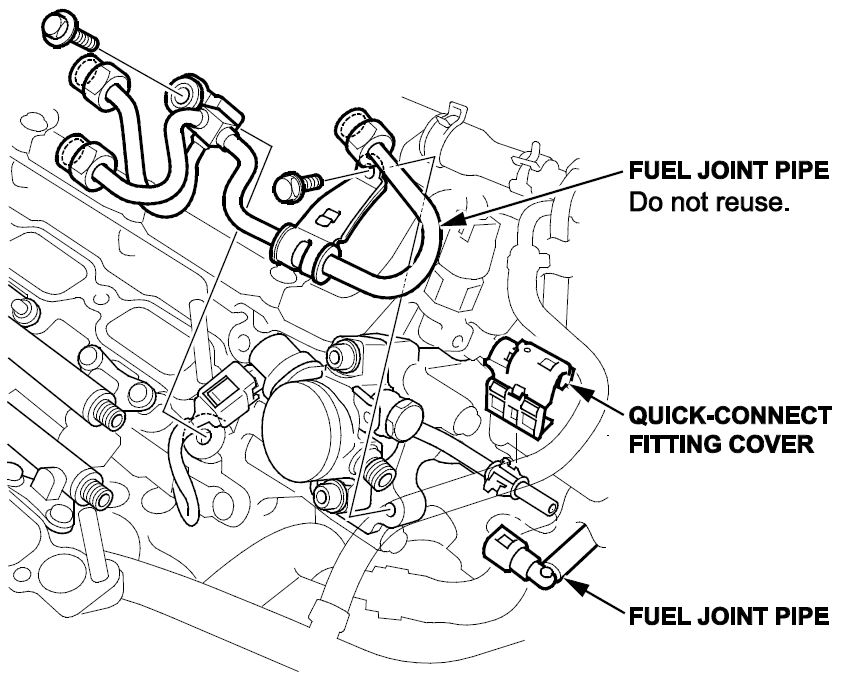
- Disconnect the quick-connect fitting.
- Remove the fuel joint pipe.
- Disconnect the high pressure fuel pump connector.
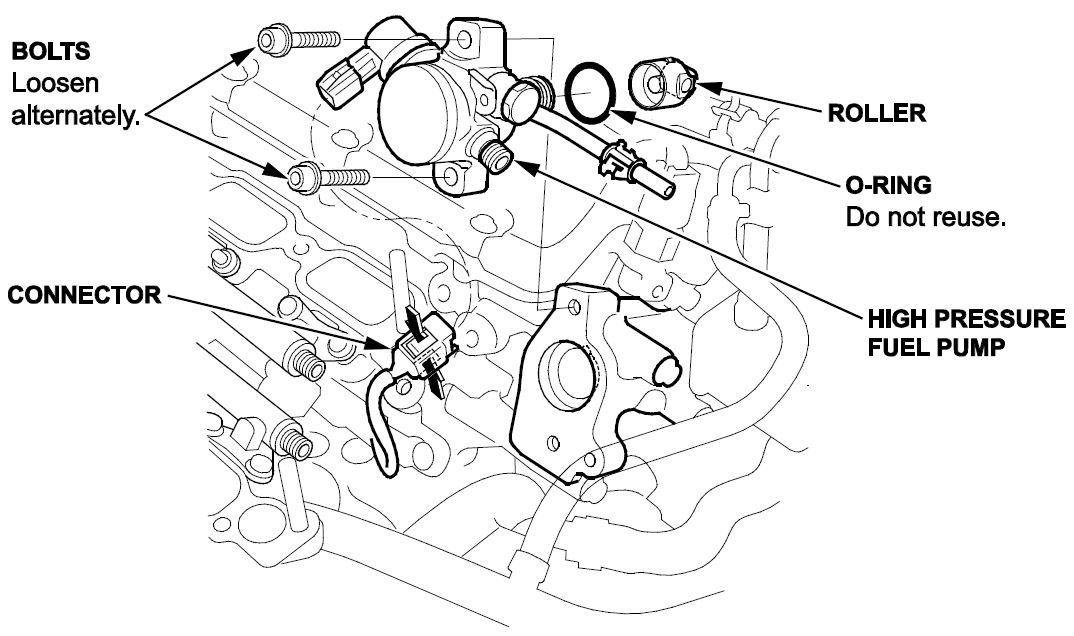
- Remove the bolts by loosening them alternately, then remove the high pressure fuel pump and the roller.
- Rotate the crankshaft and check the high pressure fuel pump cam for pits, scores, and excessive wear. If needed, replace the rear camshaft.
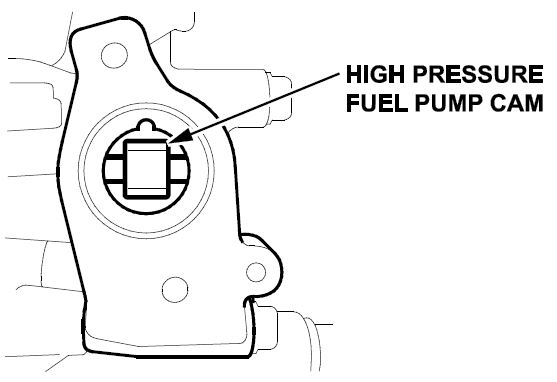
- Set the No. 1 piston at top dead center (TDC).
- Install the roller onto the high pressure fuel pump cam.
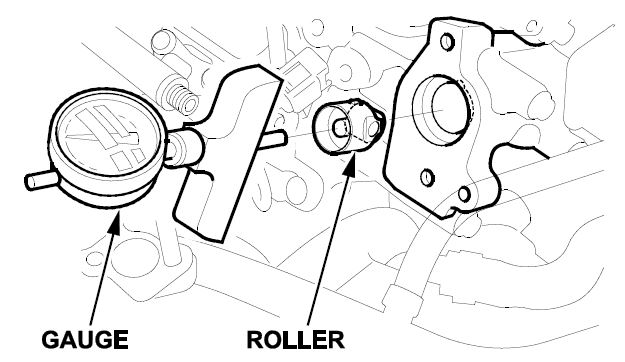
- Set the gauge on the roller and hold it, then set the dial to zero.
- Rotate the crankshaft 720° and measure the three cam lobes height. If the cam lobes are excessively worn, replace the rear camshaft.
NOTE: The high pressure fuel pump cam has three cam lobes. Cam Lobe Height Standard (New): 0.236 in (6.0 mm)
- Set the No. 1 piston at top dead center (TDC).
- Check the position of the cam that drives the high pressure fuel pump as shown.
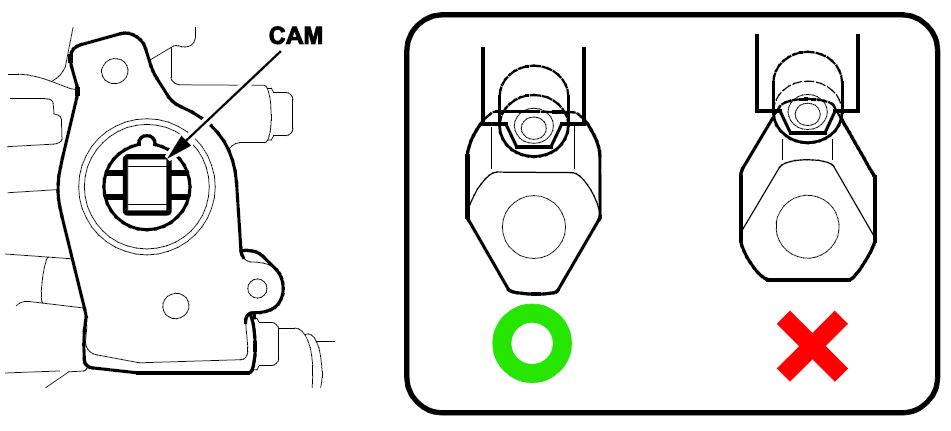
- Coat the roller and the cam with clean engine oil.
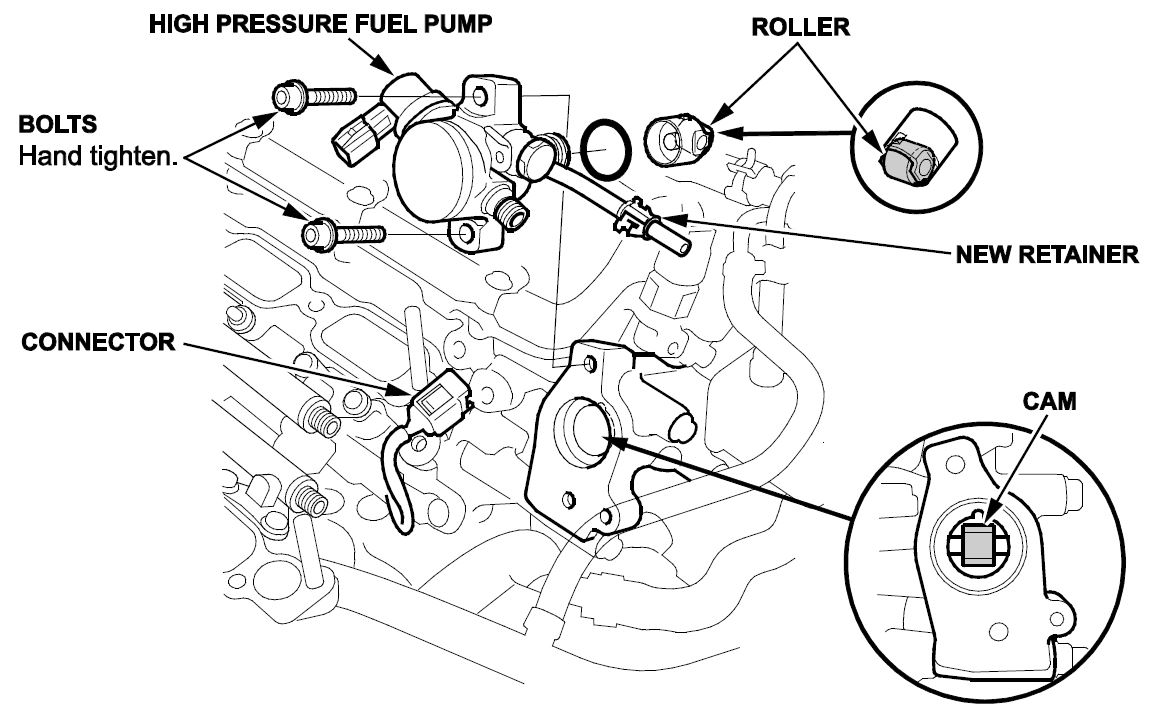
- Install the roller and the high pressure fuel pump. Install the bolts loosely by hand in an alternate pattern. Connect the connector.
NOTE: Failure to install a new fuel joint pipe will cause fuel leaks.
- Lubricate the top of the new fuel joint pipe and the threaded area of the fuel rails and the high pressure fuel pump with polyethylene glycol included in the new fuel joint pipe kit. NOTE: Do not reuse the fuel joint pipe.
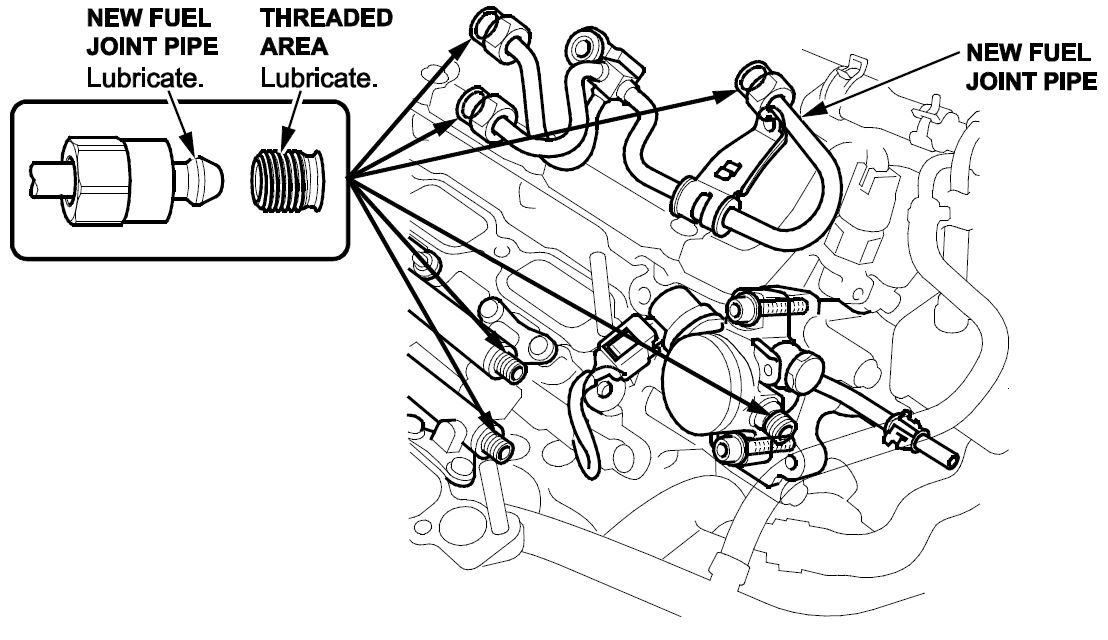
- Tighten the fuel joint pipe nuts by hand until the end of the joint pipe is seated on the fuel rails and high pressure fuel pump.
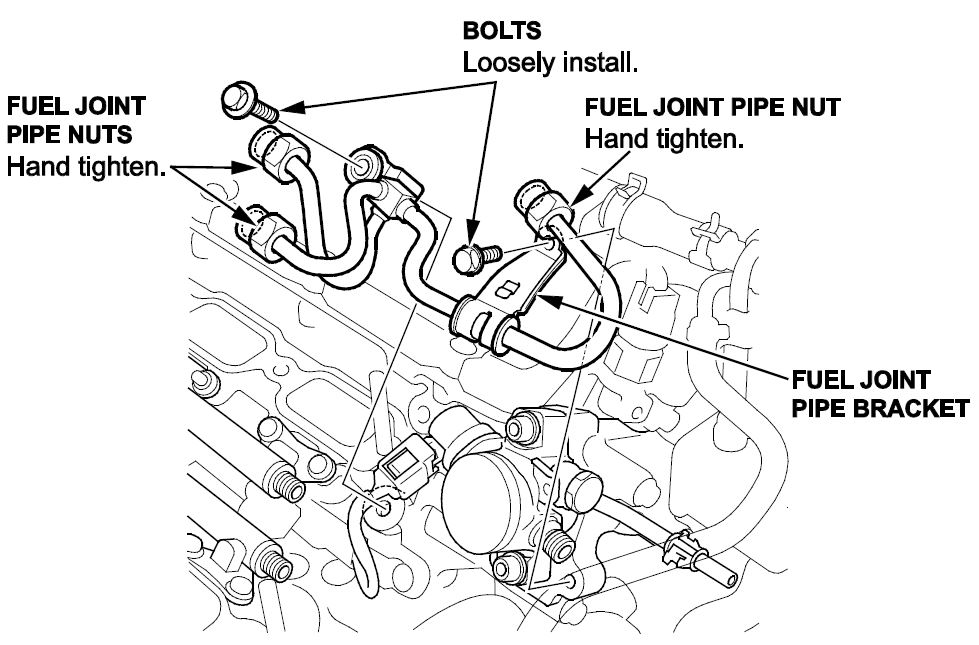
- Set the fuel joint pipe bracket on the cylinder head and loosely install the bolts
- Tighten the high pressure fuel pump mounting bolts to the specified torque.
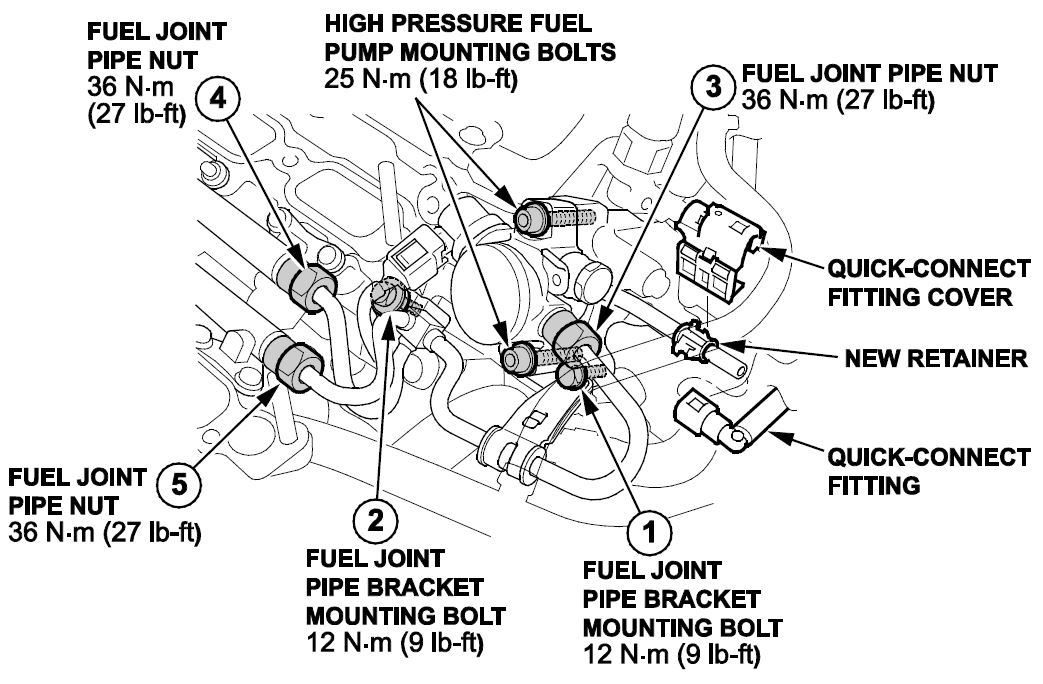
- Tighten the fuel joint pipe bracket mounting bolts and the fuel joint pipe nuts to the specified torque in the numbered sequence shown.
NOTE:
- A crowfoot-type special tool increases the torque applied by the torque wrench. Refer to Torque Specifications for details on how to recalculate the torque wrench setting.
- Failure to tighten the fuel joint pipe nuts to the proper torque will cause a fuel leak.
- Connect the quick-connect fitting and install the quick-connect fitting cover.
- Set the power mode to ON, but do not start the engine. After the fuel pump runs for about 2 seconds, the fuel line will be pressurized. Repeat this two or three times, then check for fuel leakage.
- Install the high pressure fuel pump cover and torque it to 12 N·m (9 lb-ft).
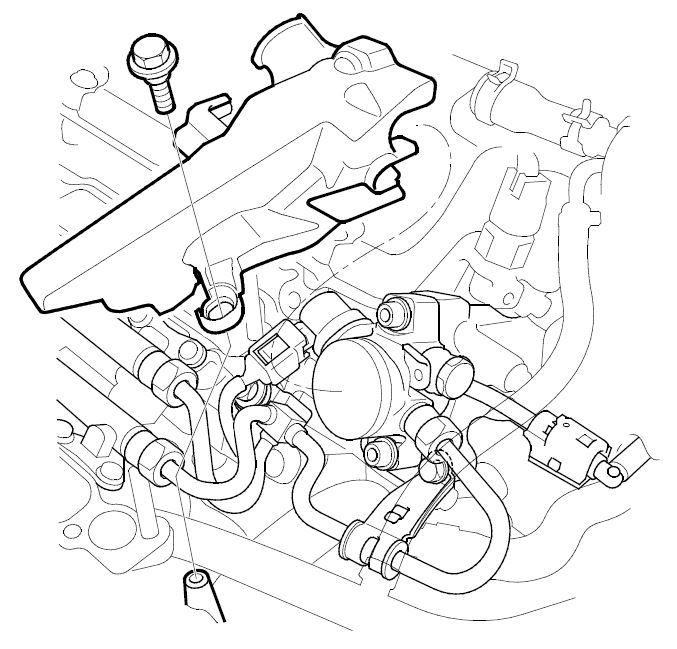
- Install the intake base and intake manifold.
END

- QUALITY ASSURED
- Reduces: rough idle, engine surge, hesitation, and spark plus fouling
- 20 oz. bottle.
- Improves: cold start performance, and fuel stability for up to one year


- DEEP FUEL SYSTEM CLEANING Helps restore lost power, smooth out rough idle, recover lost MPG, and overcome other common engine problems by cleaning the entire fuel system. Cleans fuel injectors, carburetor restrictions, and chamber areas. Add Sea Foam to your fuel tank every 3,000 miles.
- FUEL ADDITIVE FOR GAS & DIESEL: Cleans fuel residue and varnish for smoother idling and cleaner combustion in gasoline and diesel engines. Use with diesel, diesel blends, gasoline, gas-ethanol blends, and conventional in & synthetic oil.
- OIL TREATMENT FOR ENGINE CLEANING: Cleans sludge and deposits in motor oil crankcases to support lubrication and longer engine life. Helps reduce engine wear, cleans away oil restrictions, clean critical engine areas, and clean oil buildup.
- FUEL STABILIZER: It helps fuel resist evaporation, preserves ignition vapors, adds protective lubricity, and prevents the formation of gum and varnish in fuel systems. Keeps gas or diesel fresh for up to 2 years. Works great as a fuel stabilizer and gas stabilizer for stored cars, motorcycles, and generators.
- FOR ALL ENGINES & FUELS: Compatible with all gasoline and diesel fuels and blends, including E10 and E85. Add to fuel and oil in in cars, trucks, RVs, lawnmowers, snowblowers, ATVs, motorcycles, boats, and jet skis.

- The world’s #1 fuel additive for both gasoline and diesel engines
- A great tune-up in a bottle – treats gasoline, diesel fuel and increases MPG
- Cleans and lubricates the fuel system, including fuel injectors, carburetor and combustion chamber
- Improves fuel economy by burning excess exhaust emissions
- Increases power and acceleration by improving fuel flow and reducing deposit buildup
This product presentation was made with AAWP plugin.